Heat vs Ice: What Actually Helps an Injury
Reach for the ice pack or the heat pad? The honest answer depends on how old the injury is and what you want the next hour to feel like.

Almost everyone has been told to ice an injury, and almost everyone has also been told that heat loosens things up. Both pieces of advice get repeated so often that it is easy to miss the fact that they do different jobs. Choosing between them is less about which one is better and more about what stage your injury is at.
What ice is actually good for
Cold narrows local blood vessels and dulls the nerve endings around an area, which is why an ice pack takes the edge off a fresh, angry injury. In the first day or two after a sprain, strain, or knock, that pain relief is genuinely useful — it helps you move a little more normally and sleep a little better.
What ice does not do is speed up healing. Swelling is part of how the body delivers repair cells to damaged tissue, and there is reasonable evidence that aggressively suppressing it for days on end offers no advantage. Use cold for comfort in the early stage, in short spells of ten to fifteen minutes with a cloth between the pack and your skin, then let it go.
Ice is a pain management tool, not a healing accelerant. Once the sharp pain settles, gentle movement does far more for recovery than another twenty minutes under a cold pack.
When heat is the better choice
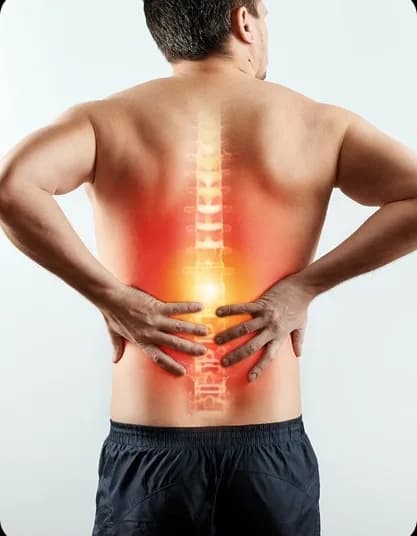
Heat increases blood flow and makes muscle and connective tissue more willing to lengthen. That makes it well suited to the stiff, guarded, achy feeling that lingers after the acute stage has passed, and to long-standing tension in the neck, shoulders, and lower back.
A warm shower or heat pad for fifteen to twenty minutes before you stretch or exercise tends to make the session more comfortable and productive. What heat should not go near is a fresh injury that is still swollen and hot to the touch — you will usually just make the throbbing worse.
A simple rule of thumb
- First 48 hours after a new injury, with swelling and sharp pain: cold, in short spells, for comfort.
- After the acute stage, when the area feels stiff and tight rather than sharp: heat before movement.
- Chronic muscle tension and long-standing aches: heat, and treat it as preparation for exercise rather than the treatment itself.
- Numbness, pins and needles, or reduced circulation in the area: skip both and get it assessed first.
- Either one hurting more than it helps: stop. Neither is worth pushing through.
What matters more than either
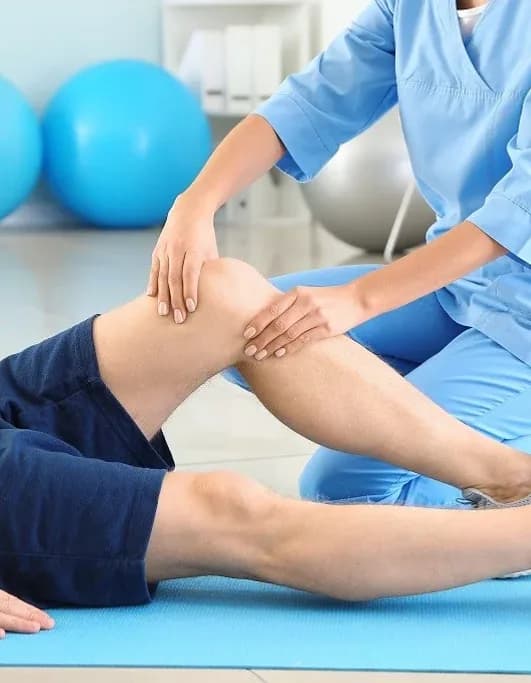
Heat and ice change how an area feels for an hour or so. What changes how it recovers over weeks is how you load it — restoring range of movement early, then rebuilding strength in a way the tissue can tolerate. A physiotherapist can tell you which stage you are actually at and give you the specific progression to follow, which is worth far more than getting the pack temperature right.
If pain is not steadily improving after a couple of weeks, or you cannot put weight through the area, book an assessment rather than continuing to experiment at home.
- #recovery
- #pain-relief
- #injury
- #self-care